Healing Properties of a Hypodermic to the Hippocampus
by Callum Rowland
I used to love hospitals. Being inside them.
Their corridors and wards, as familiar as the veins crawling up my arm. The creaking leather chairs, womb-like in their enveloping. Used to invent symptoms just to go back, just to be surrounded by monitoring equipment and pious personnel. Just to be.
Love is security.
Helen knew my truth. Knew my lies. Though she never spoke it, it was clear in her eyes.
Love is understanding.
Now though, the white walls look grey. The ceiling panels are a claustrophobic grid of dusty streaks. The beeps of monitors are malicious. The flexible tubes threatening.
We can fear love, I’m sure.
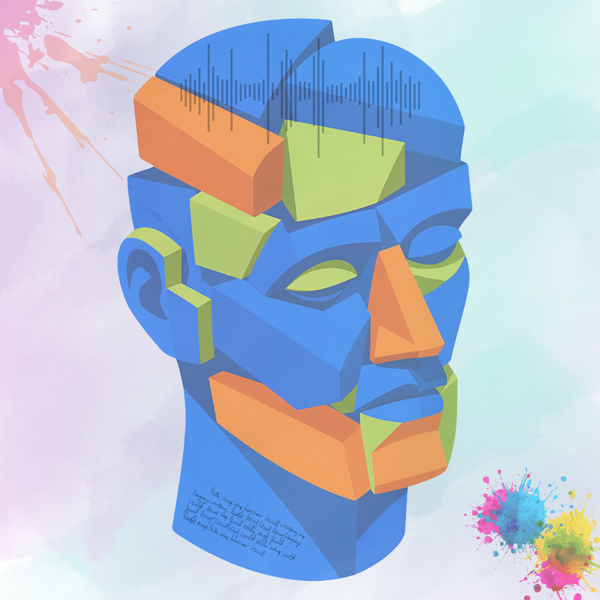
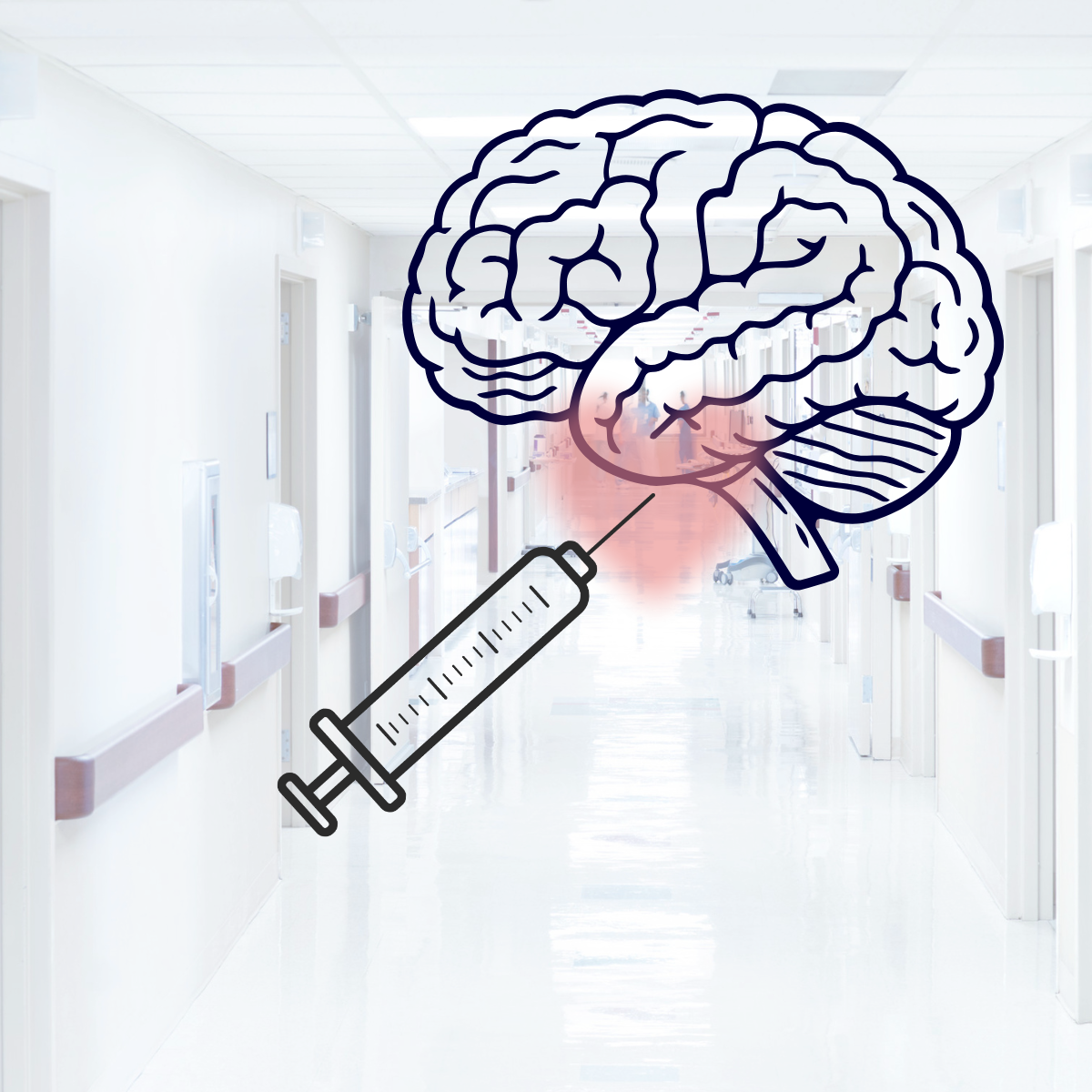
I don’t love the operating table I’m strapped to. Or the foot long hypodermic descending towards my face, humming happily closer and closer to the small space above and between my eyes. I know what the surgical machine said, but—
Love isn’t in my skull, surely?
Still, I chose this. How could I not? All those years helping me through hypocritic hyperventilating episodes, of course Helen’s illness would be real. The perfect counterpoint to my imagined ailments.
Can love cause sickness? Did I?
More paranoid ramblings. What matters is love can heal. Once a cliche, now a reality. So the scientists say.
The needle is cold against my skin. It is Helen’s lips, icy drops of rain on a lamplit street a sheer layer between them and my forehead; a conductive pad, a terminal for the electricity between us, between that needle point and me. But her kiss never penetrated. Never spiked and slid and slipped inside my skull.
Or did it?
Panic. The pointed tip pricks the perennial love congealed somewhere within a lobe within a hollow within a chemical reaction. So the scientists say. So they said I could save love, my love.
Can love be panic, racing through memories and details, desperate to deny the change now it is upon me? To deny loss. For there is undoubtedly love in loss, but lost love is a different loss.
Can love be a scalpel and a thing beneath the scalpel blade? I hate that it might be so blunt an instrument.
My fingers curl, creak, cling to cold foam armrests and the heat of emotions past. Grains of sand on a Sudanese beach grate beneath my nails and trickle away. Might as well be water, slurped up by the greedy needle. I am grossly aware of it inside of me.
Love is a tide. Receding. It is waves. Lapping weaker each time. Disappearing not in great chaotic crashes but in gentle, tender shooshes. Soft sheets pulled back across my skin. Removed so it may heal.
The needle retracts.
Love is fleeting. Not forgotten, yet not retained. I know it, and it is tangible. Just an emotion. An abstract, to be turned over and studied, not felt. I feel I should miss it. Should yearn for its return.
But love has passed.
The doctors return. No fear now. No security either.
A lone fact. The operation was a success.
Love can heal, and so love has, so the scientists say.
But what is love?
She is in the next room. On an identical operating table. An identical needle retracting. An inversion, not a counterpoint.
No. No more. She was. Was. I knew love once, but now it is gone.
Does Helen still know it? The thought that she might leaves me cold and in need of tears that will not spring forth.
Perhaps love is giving. Though if so, why does it feel like loss?